Your Custom Text Here
DOUBLE NEGATIVE
Group presentation featuring: Luisa Basnuevo, Loriel Beltran, Jose Delgado Zuniga, Jen DeNike, Tomm El-Saieh, Viktor EL-Saieh, Franketienne, Chemu Ng’ok, Mar Perez, Zelmira Rizo, Diego Singh, Lucrecia Zappi.
The show extends into our booth at Art Basel Miami Beach 2025, Main Sector, Booth #B12.
“The piano ain’t got no wrong notes.” — Thelonious Monk
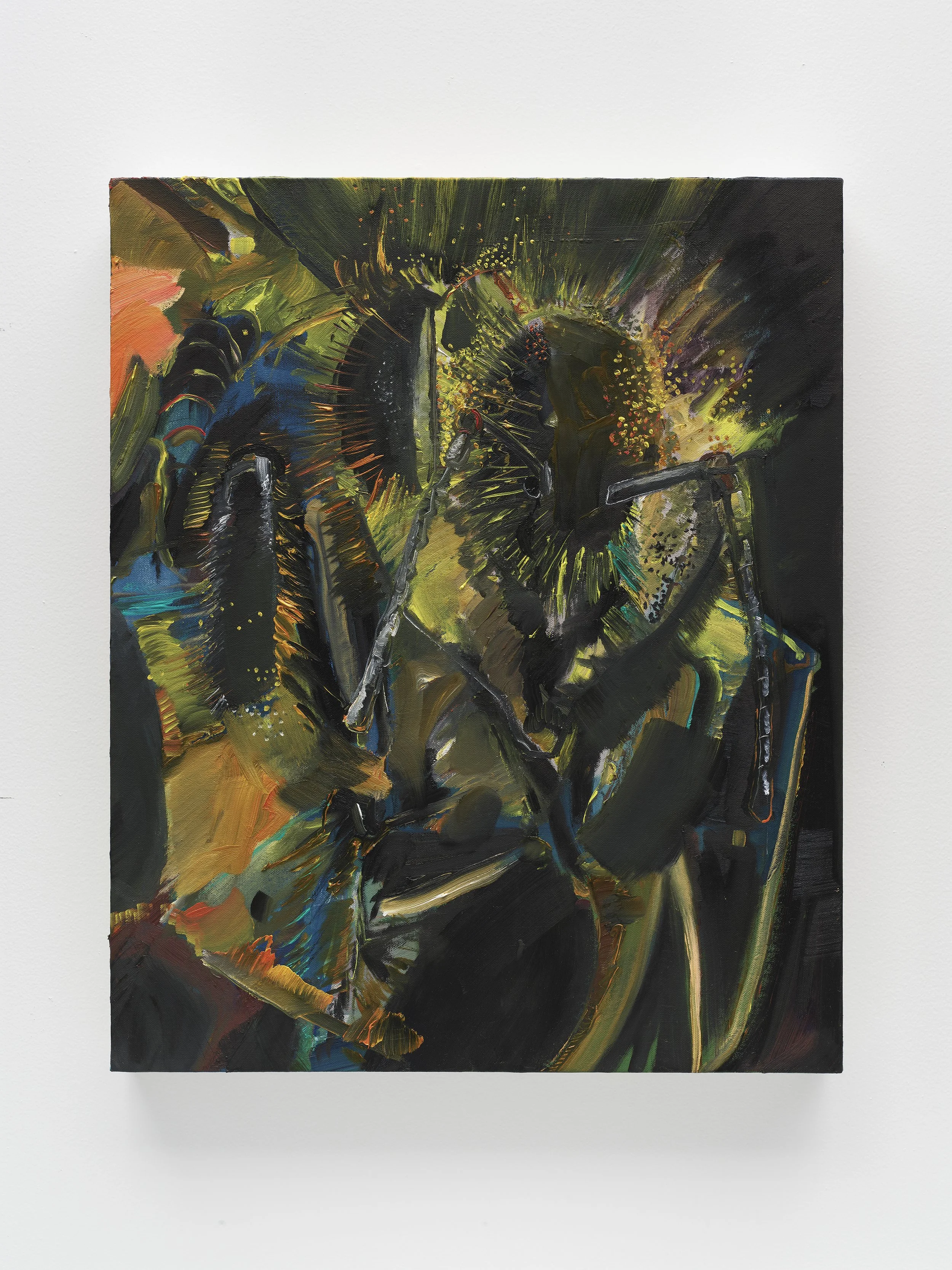
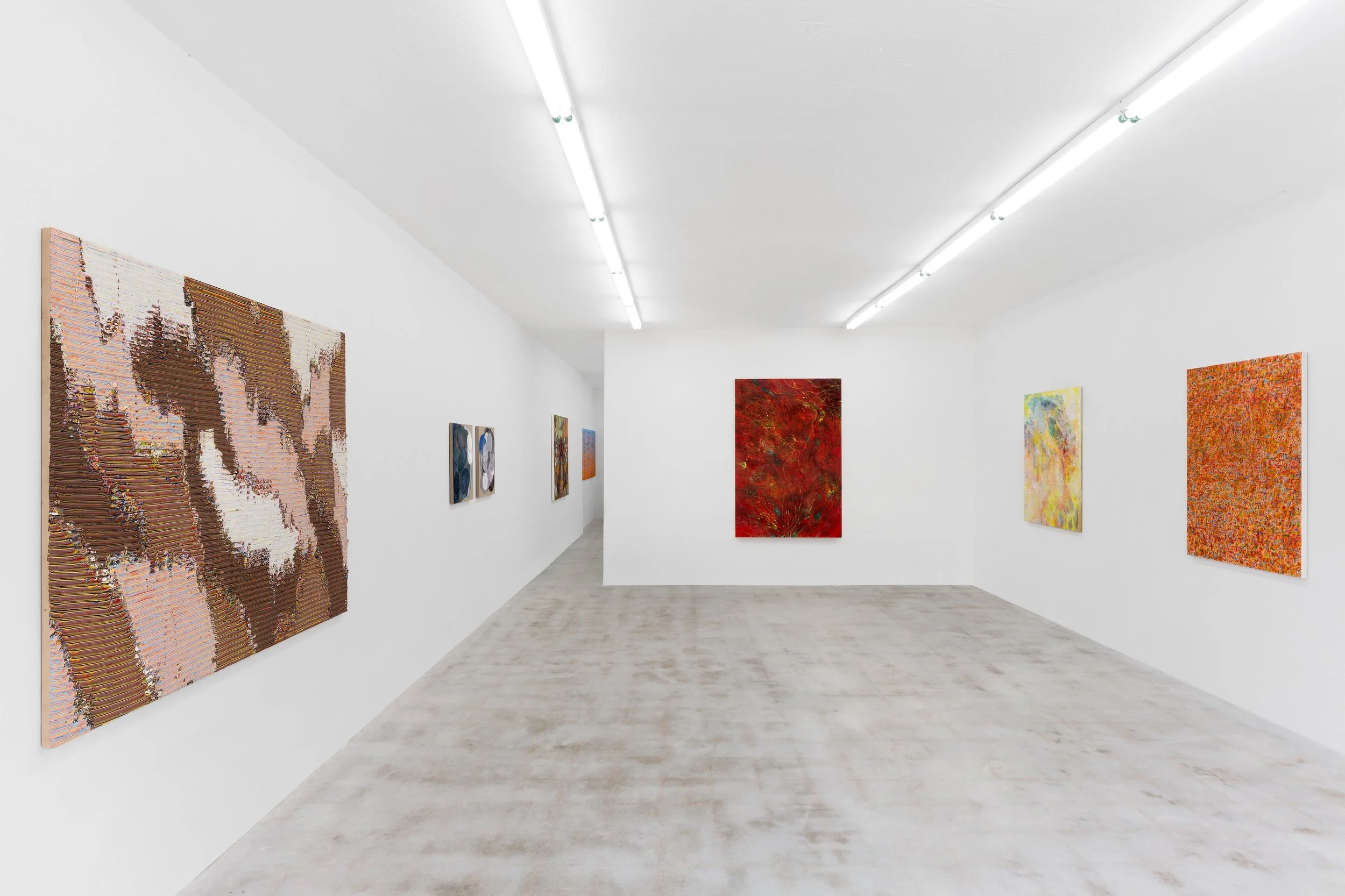
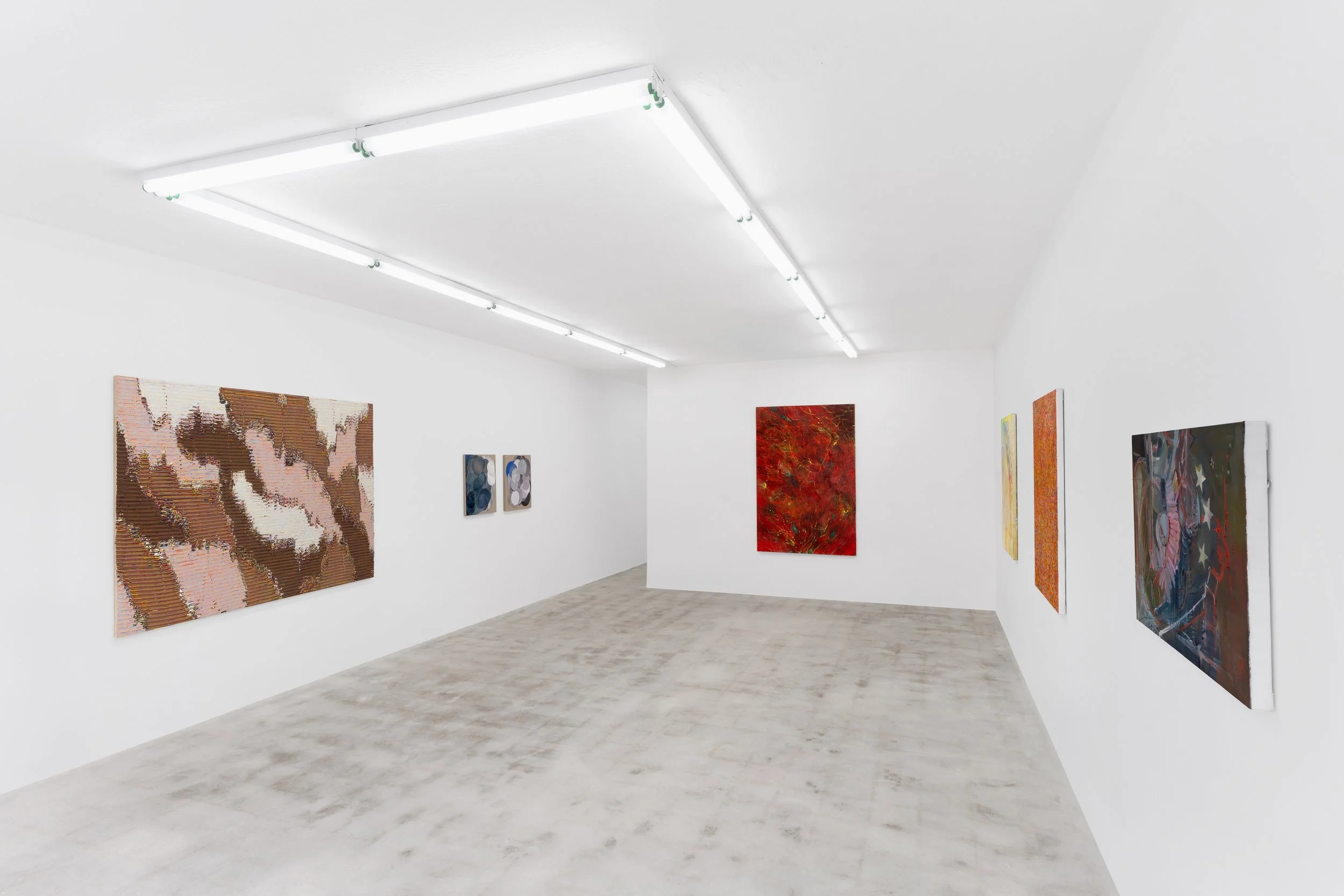
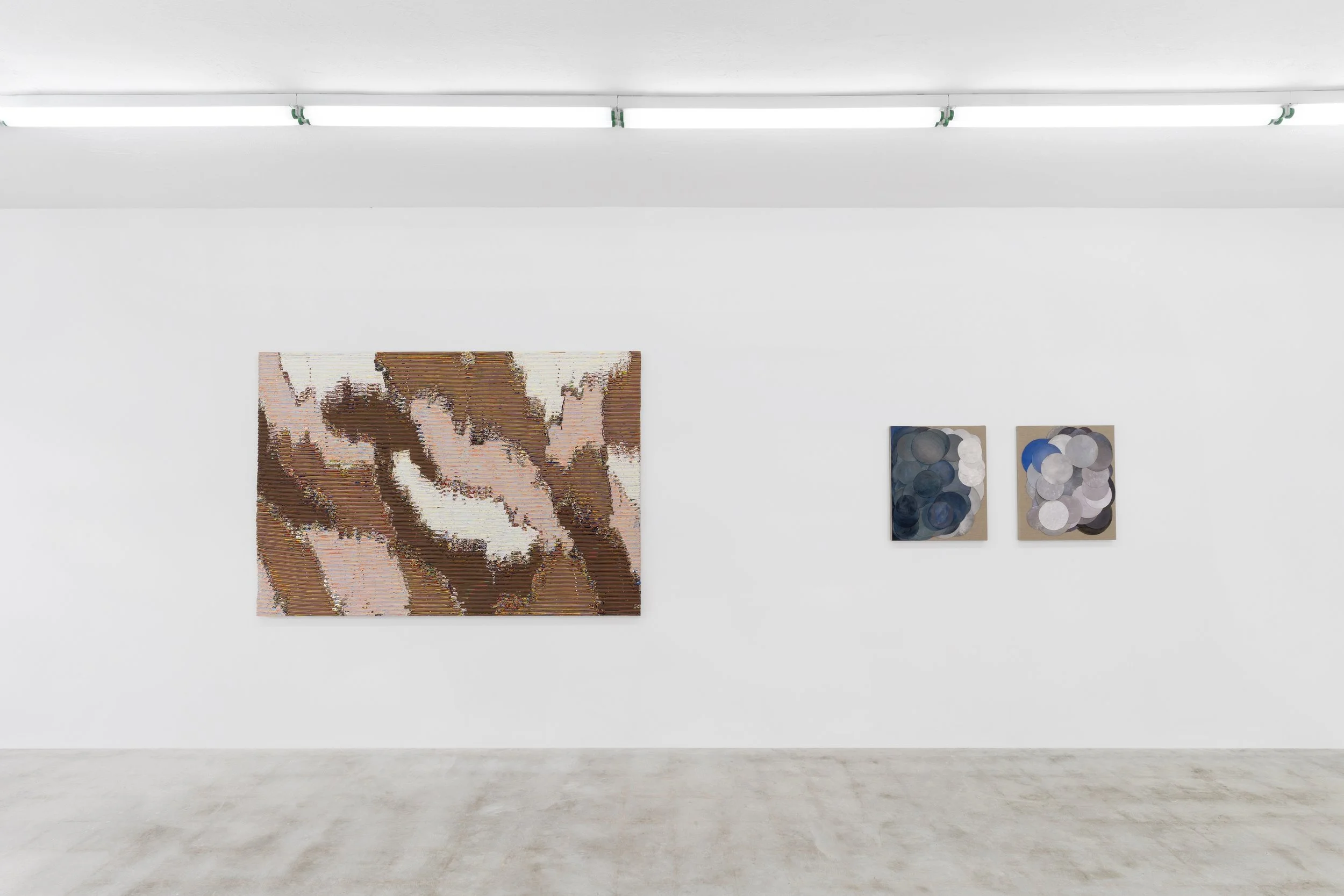
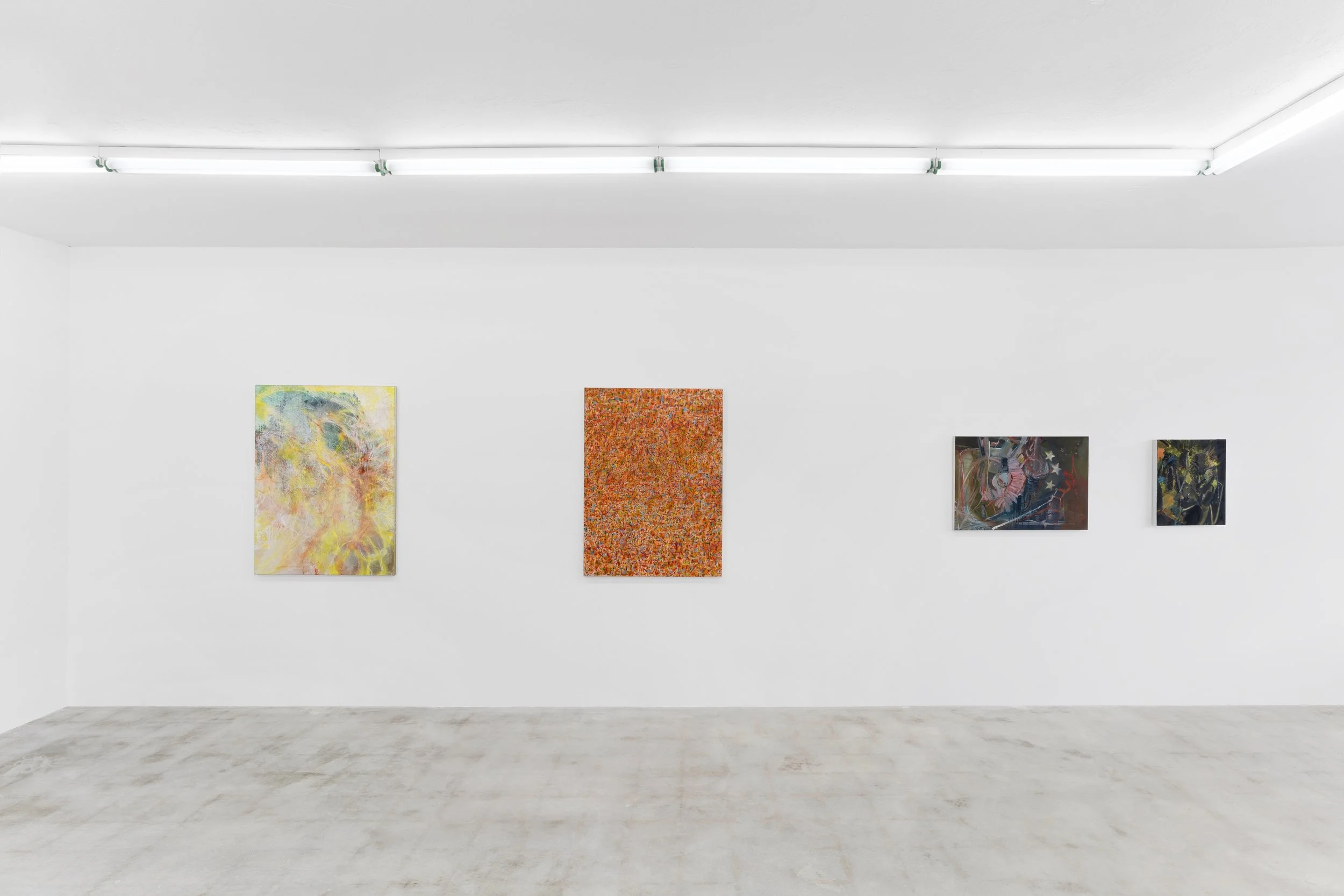
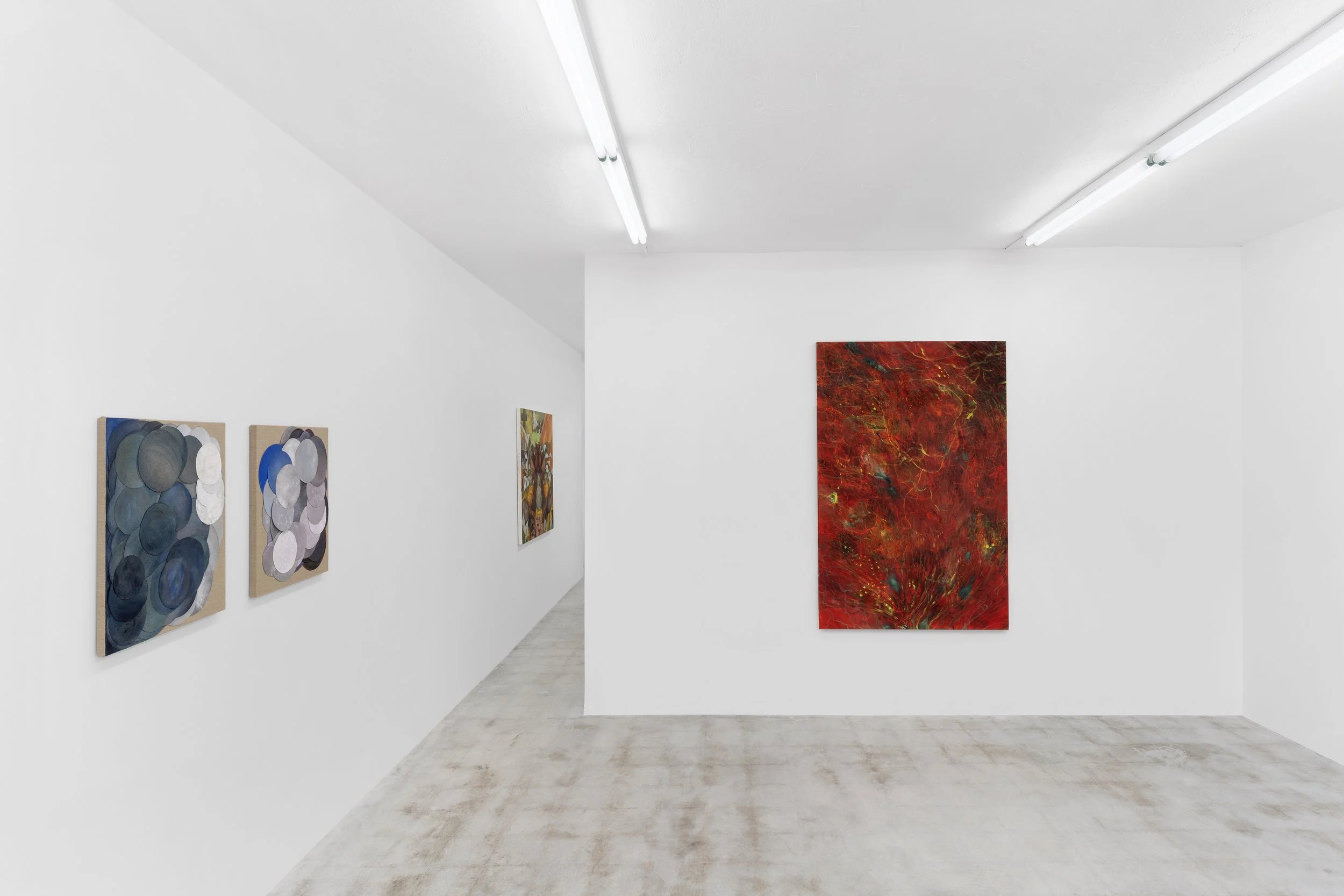
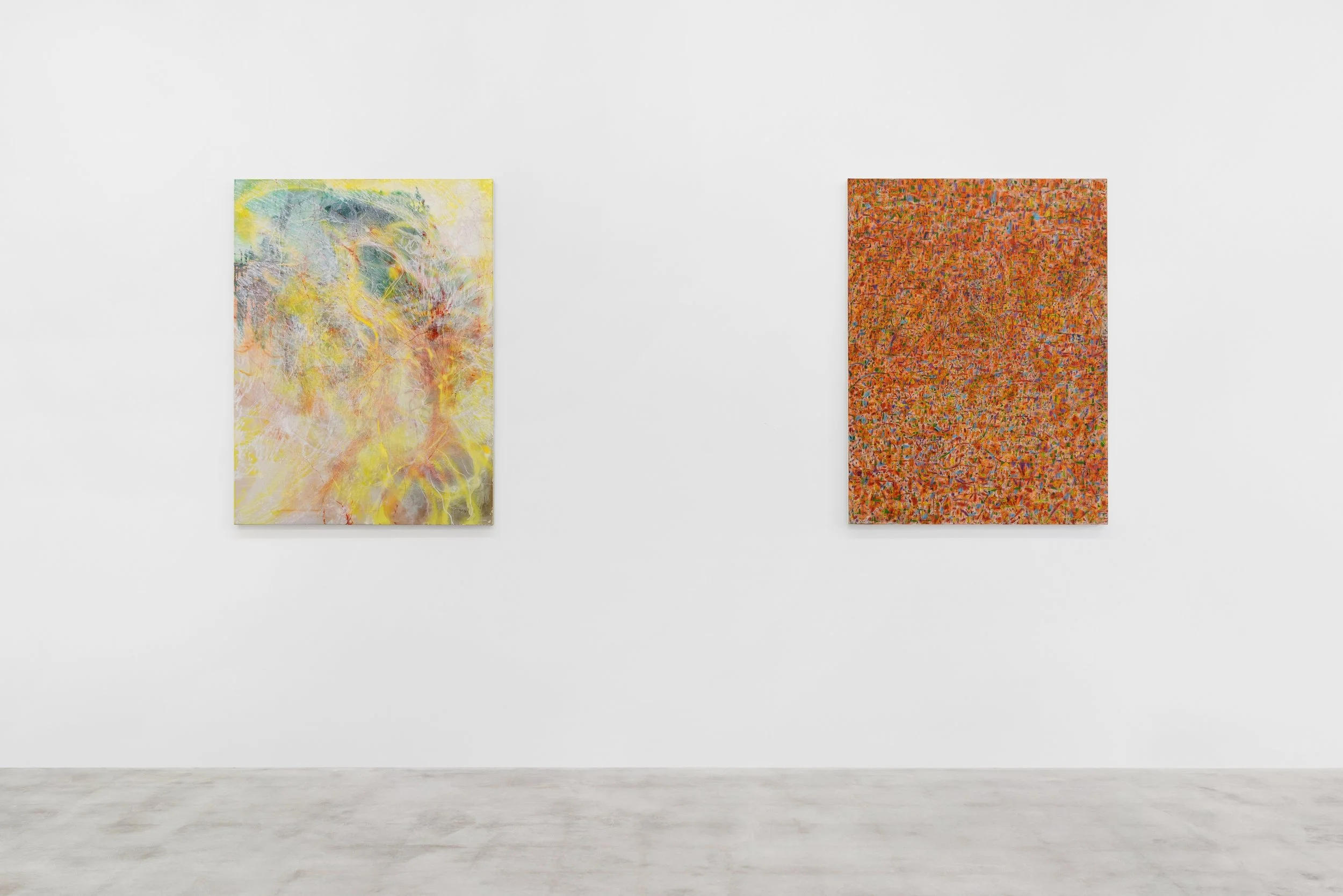
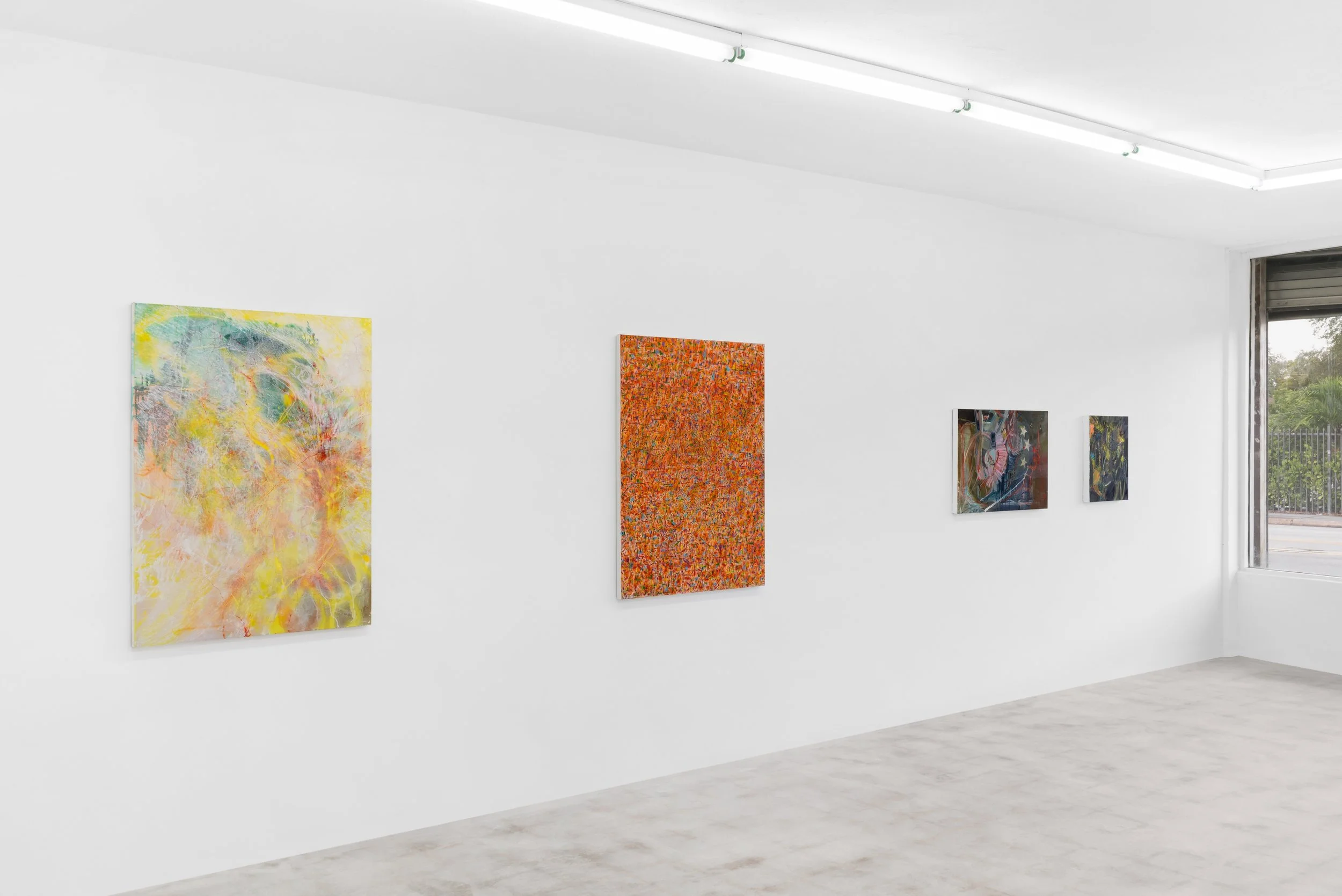
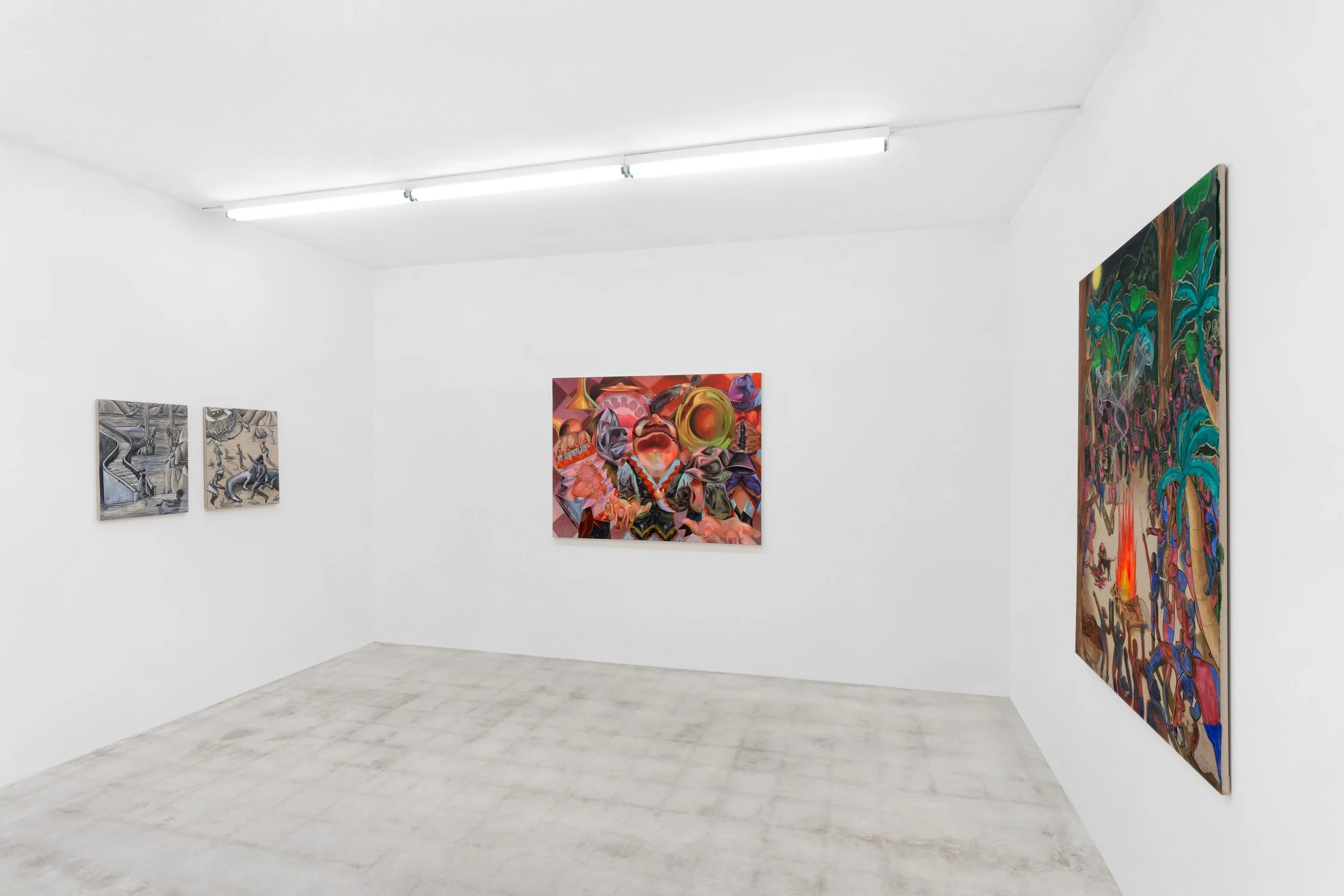
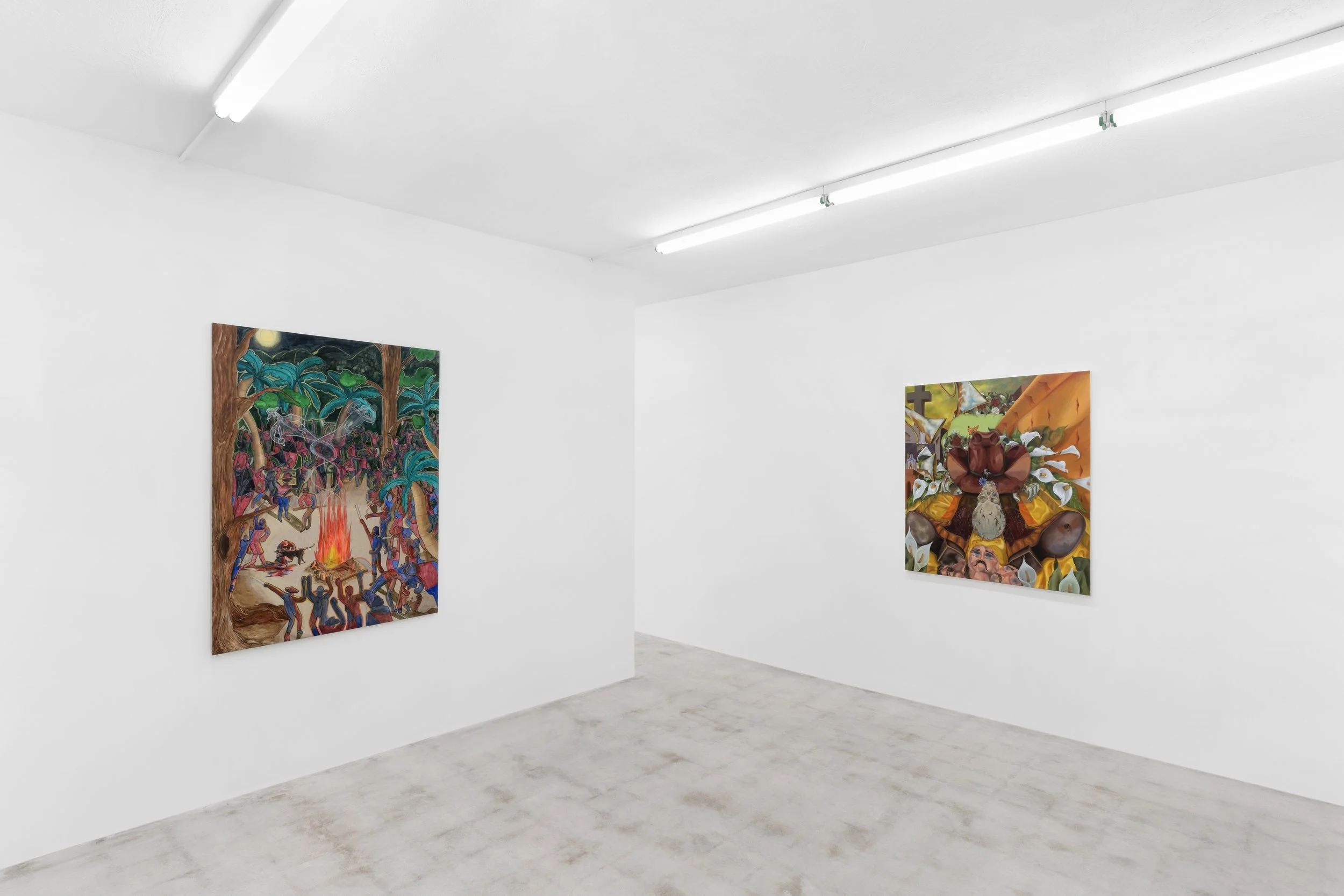
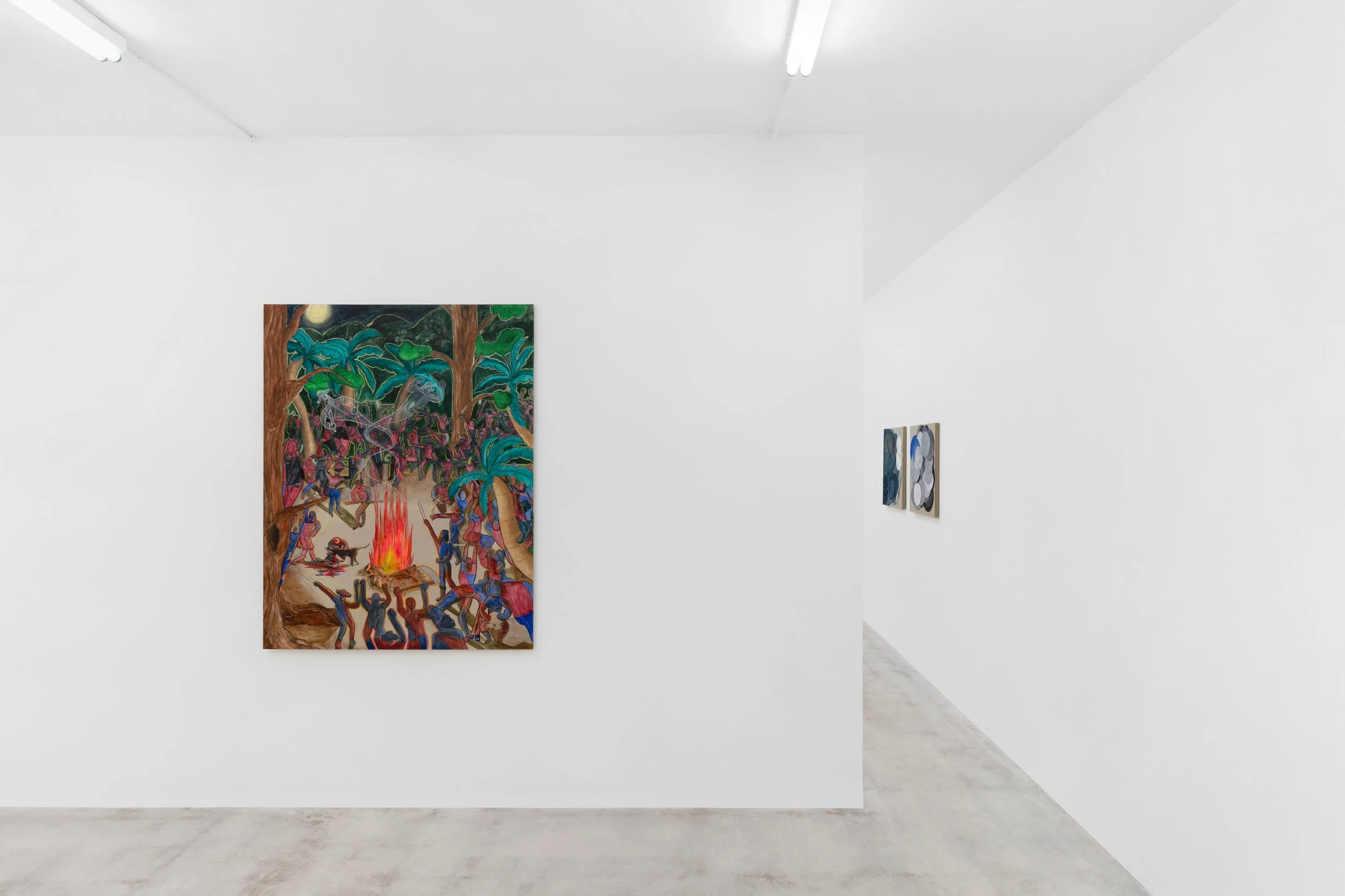
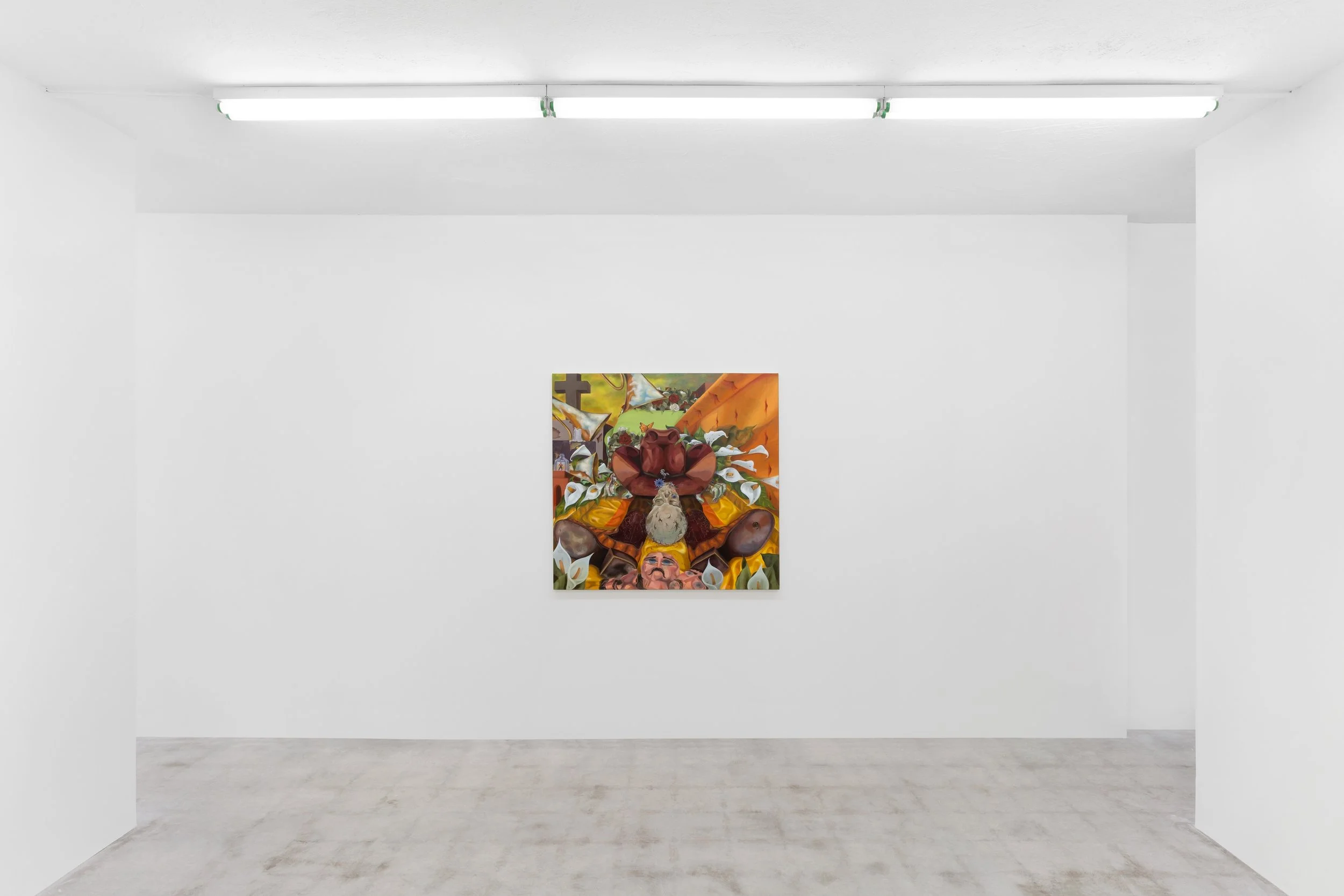
Grammar insists that two negatives make a positive. Logic knows better: sometimes “not this” and “not that” just leave a hole. Double Negative takes that hole as its subject. The exhibition gathers paintings that proceed by refusal—erasures, revisions, painted-over structures, withheld images—where what has been canceled is as present as what remains visible.
These works are slow, exact, even overdetermined. No myth of improvisation, no heroic splatter. Yet they operate in a field where no single grammar of painting—abstraction, figuration, design, diagram—can claim authority. Every mark carries its own negation: a color laid down against all the colors it excludes; a form that appears while quietly denying the forms it might have been. The double negative here is simple enough: not belief in the old image, not quite disbelief either.
Monk’s line about “no wrong notes” hovers over the room with a crooked smile. In theory, any tone can be rescued by what follows; in practice, everyone hears when you land badly. These paintings work with that risk. They absorb certain mistakes, weaponize others, and refuse the comfort of a clean resolution. Surface becomes a ledger of decisions that could have gone elsewhere, a score built from cancellations, restarts, and stubborn hesitations.
Looking, under these conditions, is not passive reception but a small act of complicity. The viewer brings their own double negatives—not that kind of painting, not that kind of meaning—and still has to choose a way through. Two refusals do not magically deliver a stable positive; they leave a charged remainder: tension, doubt, a chord that never quite settles. Double Negative lives in that remainder, where painting no longer promises certainty, but also refuses to give up its claim on seriousness, pleasure, and the possibility that being against two things at once can be the start of a new and powerful, yes.
Text by Tomm El-Saieh, Miami, November 2025.
DOUBLE NEGATIVE
Group presentation featuring: Luisa Basnuevo, Loriel Beltran, Jose Delgado Zuniga, Jen DeNike, Tomm El-Saieh, Viktor EL-Saieh, Franketienne, Chemu Ng’ok, Mar Perez, Zelmira Rizo, Diego Singh, Lucrecia Zappi.
The show extends into our booth at Art Basel Miami Beach 2025, Main Sector, Booth #B12.
“The piano ain’t got no wrong notes.” — Thelonious Monk
Grammar insists that two negatives make a positive. Logic knows better: sometimes “not this” and “not that” just leave a hole. Double Negative takes that hole as its subject. The exhibition gathers paintings that proceed by refusal—erasures, revisions, painted-over structures, withheld images—where what has been canceled is as present as what remains visible.
These works are slow, exact, even overdetermined. No myth of improvisation, no heroic splatter. Yet they operate in a field where no single grammar of painting—abstraction, figuration, design, diagram—can claim authority. Every mark carries its own negation: a color laid down against all the colors it excludes; a form that appears while quietly denying the forms it might have been. The double negative here is simple enough: not belief in the old image, not quite disbelief either.
Monk’s line about “no wrong notes” hovers over the room with a crooked smile. In theory, any tone can be rescued by what follows; in practice, everyone hears when you land badly. These paintings work with that risk. They absorb certain mistakes, weaponize others, and refuse the comfort of a clean resolution. Surface becomes a ledger of decisions that could have gone elsewhere, a score built from cancellations, restarts, and stubborn hesitations.
Looking, under these conditions, is not passive reception but a small act of complicity. The viewer brings their own double negatives—not that kind of painting, not that kind of meaning—and still has to choose a way through. Two refusals do not magically deliver a stable positive; they leave a charged remainder: tension, doubt, a chord that never quite settles. Double Negative lives in that remainder, where painting no longer promises certainty, but also refuses to give up its claim on seriousness, pleasure, and the possibility that being against two things at once can be the start of a new and powerful, yes.
Text by Tomm El-Saieh, Miami, November 2025.